

The recording of this talk was broadcast at 8pm (UK) on 3rd June.
A Handout for this talk is in the 'Kent FHS Event Handout Archive' under KFHS Resources in the Members Area
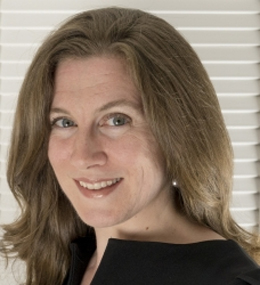
Sophie gave an excellent presentation giving advice and explanations in a clear and concise manner. She had also thoughtfully sent in advance some worksheets and handouts for us to use either during or after the talk.
Traditionally we start building our family trees with archival and historical records whilst asking ourselves how much we trust those records. A DNA tree can help us to confirm our archival research and develop our traditionally researched trees further. DNA test can be of immense value to those who do not know their immediate ancestors. But you would be unlikely to build a good family tree several centuries back using solely DNA.
Sophie named three types of DNA [Deoxyribonucleic Acid] used in genealogical matches. They are: autosomal, Y-chromosome and mitochondrial. In this talk Sophie covered autosomal. Humans share 99.6% of our total DNA with each other. We receive 50% of our DNA from each parent, giving us the 46 chromosomes we require to function as humans. Hence DNA will naturally become watered down and in some instances you may receive little or none of the previous generation's DNA as it is handed down the generations. Hence the further back we go in time DNA will not give us strong matches. Although, you might get back in time if the generations of your family are spread out and not too close in years.
Sophie named the five DNA companies that are currently doing genealogy test for family researchers: 23andMe, AncestryDNA, MyHeritage, Family Tree DNA and Living DNA. She advised using as many of these companies as we are able as they concentrate on different aspect such as health when matching clients. Plus, they each have different client databases, Ancestry has the largest with 27 million users.
DNA test results are about finding connections and fleshing out our trees side ways. Sophie suggested, if we don’t already, to research and include the siblings of our main line. This will make our trees broader and better able to help us find how our distant cousin, we found as matches, fit into our tree. She showed an example of an archival researched tree and showed the DNA matches of the cousin in that tree. Sophie suggested various ways that we can use that information to our advantage. She said in her case the family had not inherited any heirlooms, photos, papers, bible or family stories etc. which would enhance the research. Looking from amongst the cousin matches she showed how we might anticipate which line could be the keeper and suggested we politely, and not forcefully, contact them to find out if some family items could be shared with us. Sophie gave a website which she said we will undoubtedly use often as it helps plot likely relationships of our matches via the amount of centimorgans (cM being a unit of measurement for the frequency of genetic markers). We can also use it to put in cM we are given in our matches to see the general position in our tree they may stem from.
https://dnapainter.com/tools/sharedcmv4
Sophie reminded us that trees on websites such as Ancestry are only as good as the quality of the researcher. You might have 20 trees that link through matches but the one that is poorly researched will affect the findings of all the rest despite how well they have been researched. She suggested using the charts she sent for us and checking our research DNA against archival. Complete them by colouring in those where DNA and archival research agree to highlight what we need to go back and check. Sophie sited similarly named people in the parish registers and maybe we selected the wrong one as ours.
Sophie advised us to be prepared to accept DNA results that may be uncomfortable for us and that do not agree with the paper records.
Have patience when contacting matches as it is more likely we will not hear from them immediately but it may not mean they won't reply. It could take weeks, months, or years as we do not know the other person’s circumstances. We all get busy times in life or it might be that they are shocked with what they have found out, such as their parents aren’t their blood relatives. But for whatever reason they might be trying to come to terms with it before making contact with you.
Remember to treat others sensitively. Start with a brief hello message saying you are willing to help with their research and you hope they will be willing to help you with yours. Do not start by swamping them with a mile long message as that can be overwhelming. By making contact they now have your email address and can contact you.
In her handout Sophie included some websites if we should find ourselves shocked by what we discover from our cousin matches.
Report by Tricia Baxter