
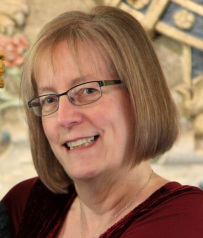
One of the benefits of the Societies’ Zoom meetings has been the opportunity to listen to speakers from outside the local area. Dr Janet Few, a historian from the West Country was one of the speakers for July. Janet’s talk entitled ‘The Ones that got away” was about finding those elusive ancestors that come in three forms: the ones that never seem to be born, the ones that never die and the ones that disappear in the middle. The suggestions were that you might be searching using the wrong date, wrong place or wrong name.
Your problem may be that you are looking at the wrong date. It is important to use as many sources as possible to estimate your date. Remember that Civil Registrations and Baptisms may be even years after the event, although they are typically within a few weeks. Of course, you can widen your date range. It is worth remembering that the information given may have been incorrect and there was no penalty for failure to register until the 1870s. Lying about your age is also nothing new.
You may be searching in the wrong place. Whilst many of our ancestors stayed in the same place, some trades involved frequent travel. Transport systems of the time need to be explored particularly waterways and train routes. Often an expectant mother would return to her own mother for the birth of her first child and then possibly the baptism would be held there as well. They may also have been away from the expected parish for other reasons and the births overseas records may be of interest. County boundaries have been subject to change as well. It is worth remembering that people do not always give accurate information.
You may be looking for the wrong name. Incorrect name spelling is usually because it has been misread of misheard. Particularly with early records where large numbers of the population were illiterate, spellings would be as the recorder heard. Regional accents can also play a part and can be useful to investigate. Surnames beginning with H can be particularly problematic as sometimes the H disappears altogether. Capital letters can appear similar and cause issues. Using wildcards in your searches, even for the first letter (permitted on some sites) can lead to a breakthrough. The use of nicknames and preferential use of other forenames means that you should try all variants and consider reversing forenames. They may also be using a completely different name for a variety of reasons.
If you are still at a dead end, Janet suggested many different sources to consider including other indexes, local registrar, original registers, Wills, Obituaries, newspapers, Court and poor law records. Marriages may not have happened. Clandestine marriages were not only in Scotland but London as well. It is said that in the 1740s half of London marriages were in one of these, The Fleet. People also led double lives.
If there are no death records, there may never have been a body. Therefore there would be no body to bury or register. This is particularly true of coastal regions. People moved for a host of reasons and this may involve emigration. Countries were always more interested in people entering their shores rather than leaving and the immigration records for overseas countries are often more detailed than UK emigration documents.
If all else fails, you may need to restart your research and go back over everything you do know to try to narrow the gaps.
Janet has produced a very comprehensive hand out listing many resources she mentioned during this talk
Report by Susan Hudswell