
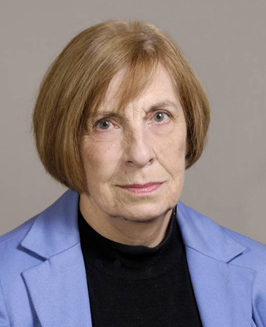
Lady Teviot, started by saying that never in her wildest dreams would she have considered the changes that have occurred in the past years in Family Research. She was sad that we can no longer handle many original documents and despite what is available on the net it’s not all out there. Plus, there can be many mistakes online and in official and original documents as well. Undoubtedly, genuine mistakes by officials or our ancestors occurred. But equally it could have been an intentional ‘mistake’ to conceal things that our ancestors did not want revealed. Spellings of family names can and do change although, some family researchers insist on searching on one spelling and as they will not search the alternatives, they could be overlooking ancestors.
Lady Mary continued her talk with examples from her research to demonstrate mistakes both intentional and genuine that we might consider exploring when meeting brick walls in our own research.
Parish Records: Lady Mary’s aunt married in her forties although, at her wedding she said her age was twenty-eight. Hence, a younger age is now recorded for her on her marriage certificate and will pass down in the future as her true age. Some couples felt that the husband should always be older than the wife and ages were given at a marriage to fit in with this view. Another couple lived many years as man and wife having produced a family of 5 or 6 children before going to Brighton to secretly be married. So maybe for a lost marriage you should be looking after the birth of children as well as before. If you can’t find a marriage in a church think registry office.
Baptisms: check late baptisms before death and you may find that all the children in one family were baptised together regardless of age. In large cities like London parishes, records show ‘teams’ of clergy were doing something like 800 baptisms in a day. Consequently, even though a group of siblings were baptised on the same day it may not have been by the same clergyman. There was rapid church building in the latter half of the 19th century as parishes were created due to population growth.
When cemeteries in London were full new ones were built on the outskirts of the city. So if they aren’t in burial records find the most likely cemetery and search their records too.
School records, are much overlooked. An instance Lady Mary gave was of a man who could not be not found on any census or registrations of birth except his marriage aged 25 at in St George in the East in 1902. But from school records he was found and information about his father was recorded too.
Foundling Hospitals, its estimated that 27,000 children passed through their doors. Although records are closed for 110 years it is possible for family members to gain permission to see them. Run by committees, mothers had to petition and applications could be turned down. A mother had to provide considerable details in her application, including where, when and by whom the child was conceived. On acceptance a child under 12 months old was renamed, baptised and assigned to a nurse. When they reached working age most girls went in to service, whilst many boys were apprenticed or ended up in the military.
Other sources we may find useful are newspaper archives, war memorials, local village websites, undertakers record. The Old Bailey, as your ancestor may have been called as a witness in a court case. Widows and wills, a husband may not have had any assets on death but don’t presume that his widow doesn’t, as she may. For workhouses and hospitals attached to them was the website http://www.workhouses.org.uk/
But whatever we uncover in our research Lady Mary advised that we should not trust one source, one census or one certificate to get at the truth. And, to remember that people did not always tell the truth and therefore, we might have to go forward in our research to come back to get at the facts.
This online talk had the largest attendance to date with 50 participants and several questions were posed at the end.