
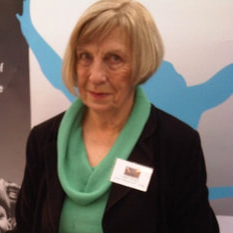
Lady Teviot gave us a well-researched and useful talk on some of the various sources we can use as genealogists that are often under-utilised. She started with Churchwardens’ Presentments which were accounts by the churchwardens of happenings within the parish, maybe within the church building or sometimes, misdoings of the parishioners. These records start from as early as the mid-1500s in a few places, with a hiatus in records during the Protectorate of 1649-1660. Parishioners may be recorded because of baptisms, churching of new mothers or cases of sexual immorality; women, unusually, may be mentioned by name, which is atypical for early records.
Protestation oaths of 1641-2 are lists of English males over 18 who took, or did not take, the oath of allegiance ‘to live or die for the true Protestant religion, the liberties and rights of subjects and the privilege of Parliament’. Those who refused to take the oath would be presumed to be Catholic and therefore unfit for office in Church or state. Only about a third of the lists survive but it has useful information about overseers, churchwardens, recusant Catholics and absentees. Again you get a mention of peoples’ names but very few women appear, just a few widows.
Post Office or Street Directories are informative on particular villages with descriptions of the area, the Lord of the Manor, church, school, private residents and commercial properties. They give you a good snapshot of life at the time that your ancestor lived there. Historical directories are also useful for names, places and occupations. The University of Leicester has digitised trade and local directories from the 1760s to the 1940s for England and Wales and these are also available on Ancestry.
Another useful source is Manorial records which may run from 1066 to the 17th or 18th centuries – these include court rolls, surveys, maps, documents and books. These records were the only way by which copyhold land was transferred; the downside is that they were written in Latin. Manorial records are not particularly widespread in Wales and some land in England is not under the manorial system; copyhold tenure really emerges after the Black Death, when labourers were able to strike better deals with their landlords. After1733 all administrative documents should be written in English, which makes family historians’ lives easier.
Other sources touched on were Coroners’ Inquests, Charities and Inquisitions Post Mortems. The latter inquisitions were held if a person died who held land belonging to the Crown; usually the date of the tenant’s death would be recorded along with the manors held, services performed and the name, age and relationship of the heir. Gamekeepers’ deputations and game certificates limited the number of licences issued to one per manor from 1710. The Clerk of the Peace registered the licence for a cost of one shilling and by 1785 the licence had to be renewed each year – this may enable you to trace the movement of labourers over long periods of time.
Lady Teviot mentioned other sources too numerous to go into here – they included the Gentleman’s Magazine, War Graves Commission, Old Bailey Records (don’t’ forget your ancestor may have been a witness), Andrew’s Newspaper Index cards, hospital records and lunatic asylums and indices to particular trades. Mary’s last piece of advice was to Google everything – you never knew what might come up! This was a very informative talk, giving us all much material to think about and use in the future.
Report by: Lesley Smith - Secretary Deal Branch KFHS